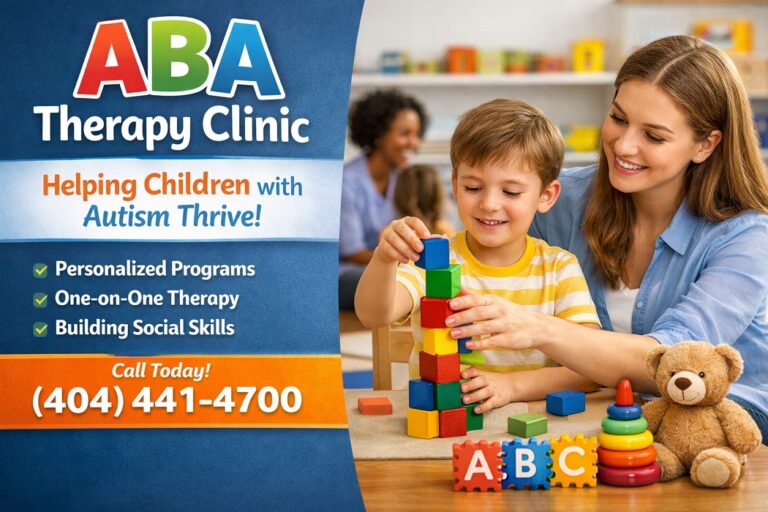





TL;DR: A child therapist who specializes in autism helps kids on the spectrum build emotional regulation skills, improve social communication, and manage everyday challenges — not by “fixing” them, but by working with their unique strengths. Early, personalized therapy makes a meaningful difference in long-term outcomes.
Summary: Autism Spectrum Disorder (ASD) affects millions of children across the country, yet many families still struggle to understand what professional support actually looks like in practice. A trained child therapist doesn’t just manage behavior — they help a child understand their own emotions, build confidence, and develop tools they’ll carry for life. From play therapy and Cognitive Behavioral Therapy (CBT) to social skills training and parent coaching, the right therapeutic approach is always tailored to the individual child. This article walks parents through what to expect, what questions to ask, and why finding the right therapist is one of the most important steps you can take for your child’s future.
When a parent first hears the word “autism” in connection with their child, the emotional weight of that moment can be overwhelming. There are questions, fears, and often a quiet sense of not knowing where to turn next. The good news — and it is genuinely good news — is that children on the autism spectrum can thrive with the right support. Therapy doesn’t mean something is broken. It means someone is paying close attention to your child’s world and helping them move through it with greater ease, confidence, and joy.
Understanding What a Child Therapist Does for Autism
Many parents assume therapy is primarily about changing their child’s behavior. In reality, skilled child therapists take a much deeper approach. They work to understand the whole child — how they process sensory information, how they experience emotions, where their communication strengths lie, and what environments help them feel safe. From that foundation, therapy becomes a personalized roadmap rather than a generic script.
For children with autism, therapists typically focus on several core areas. Emotional regulation is usually near the top of the list. Many kids on the spectrum experience emotions very intensely, but may not yet have the language or tools to express what they’re feeling before it escalates into distress or a behavioral outburst. Therapists teach children to identify those internal signals early and respond to them in ways that work — for the child and for the people around them.
Social skills development is another central piece. This isn’t about forcing a child to be more “neurotypical.” It’s about helping them understand social cues, build friendships on their own terms, and navigate situations like school lunches, group projects, or playground interactions with more confidence. When a child begins to feel socially capable, their self-esteem grows alongside it.
The Therapy Approaches That Work
Evidence-based therapy for children with autism draws from several proven frameworks, and a skilled therapist knows how to weave them together based on what each child needs.
Cognitive Behavioral Therapy (CBT) is one of the most widely used approaches for kids on the spectrum, particularly for managing anxiety, which is very common among children with autism. CBT helps children recognize the connection between their thoughts, feelings, and behaviors, and practice shifting unhelpful patterns in a structured, manageable way. For older children and preteens, it can be genuinely transformative.
Play therapy is especially powerful for younger children. Because play is a child’s natural language, it creates a low-pressure environment where they can express emotions, work through fears, and build social skills without the cognitive demands of traditional talk therapy. A good therapist turns a session into something that feels like fun, even while meaningful developmental work is happening beneath the surface.
Dialectical Behavior Therapy (DBT) skills, particularly mindfulness and distress tolerance, are increasingly used with teens on the spectrum who struggle with emotional intensity or impulsivity. Mindfulness techniques help children slow down their reactions and build a greater awareness of how their body feels when stress is building — which is often the first step toward managing it.
Social skills training specifically addresses the challenges many autistic children face in peer relationships. It might involve role-playing conversations, practicing reading facial expressions, or working through specific social scenarios that come up in school. Done well, it’s engaging, practical, and grounded in the child’s actual daily life rather than abstract concepts.
Why the Right Diagnosis Comes First
Before effective therapy can begin, an accurate evaluation is essential. Many families spend months or even years pursuing answers before landing on a diagnosis that actually fits. A thorough psychological evaluation doesn’t just confirm or rule out autism — it paints a detailed picture of the child’s cognitive strengths, emotional functioning, areas of challenge, and what kinds of support are likely to help most.
The best evaluations go beyond a checklist. They incorporate clinical interviews, standardized assessment tools, school or caregiver input, and a careful look at how different factors overlap. When a family receives that kind of clarity, it removes the guesswork from the therapeutic process. Therapists can target their work more precisely, and parents can advocate more effectively at school and in the community.
For families in the Portland and Lake Oswego area, children with autism can get help from a therapist like this at Forest Psychological Clinic, where licensed psychologists specialize in both autism evaluations and ongoing therapy for children and teens. Their team uses gold-standard assessment tools alongside evidence-based treatment approaches, and they emphasize family involvement throughout the process — because what happens at home matters just as much as what happens in the therapy room.
The Role Parents Play
No matter how skilled a therapist is, parents and caregivers are the most powerful force in a child’s development. The best child therapists don’t work in isolation — they work with families. That means regular check-ins to share progress and strategies, parent coaching sessions that give caregivers practical tools to reinforce what the child is learning in therapy, and family therapy when communication or relationship dynamics are part of the picture.
When a parent understands what their child is working on and why, they can create opportunities to practice those skills throughout the week. A strategy introduced in a Thursday afternoon therapy session can be gently reinforced at the dinner table on Saturday. That kind of consistency is what makes progress stick.
Starting the Conversation
If you suspect your child may be on the autism spectrum, or if they’ve already been diagnosed and you’re wondering what comes next, reaching out to a qualified child therapist is the right first step. Look for someone with specific training and experience in autism, not just general child therapy. Ask about their approach, how they involve families, and what a typical session looks like for a child your child’s age.
The path isn’t always linear — every child’s progress looks different, and there will be harder days alongside the better ones. But with consistent, compassionate support from a therapist who genuinely understands autism, children on the spectrum can make remarkable strides. They can learn to advocate for themselves, build friendships that matter to them, manage difficult emotions, and move through the world with real confidence.
That’s not a distant hope. For many families, it’s what therapy actually delivers.
Frequently Asked Questions
How do I know if my child needs a therapist for autism, or if early intervention programs are enough?
This is one of the most common concerns parents wrestle with after a diagnosis, and the honest answer is that it depends on your child’s specific profile — but in most cases, the two are not mutually exclusive. Early intervention programs, such as school-based services or developmental preschool programs, are valuable and often the right starting point. However, they are typically group-based and designed around broad developmental goals. A child therapist, on the other hand, offers one-on-one, individualized sessions tailored specifically to your child’s emotional world, behavioral patterns, and communication style. If your child is experiencing significant anxiety, frequent meltdowns, difficulty managing transitions, or struggles that go beyond what a classroom setting can address, adding individual therapy alongside early intervention can make a substantial difference. The two approaches work well together — they are not competing options.
What’s the difference between a child therapist and an ABA therapist for autism — and which one does my child actually need?
This question trips up a lot of parents because both types of professionals work with autistic children, but they operate from different frameworks and serve different purposes. Applied Behavior Analysis (ABA) therapy is highly structured and focuses specifically on reinforcing desired behaviors and reducing problematic ones through repeated practice and data tracking. It’s widely used and can be effective, particularly for building daily living skills and reducing unsafe behaviors — though it has also been the subject of debate in the autistic community about its approach. A child therapist — such as a licensed psychologist or licensed clinical social worker specializing in autism — takes a broader, more holistic view. They address emotional regulation, anxiety, self-esteem, social connection, and family dynamics. They also use evidence-based methods like CBT and play therapy that are designed to help a child understand and manage their inner experience, not just their outward behavior. Many children benefit from both, and the right choice depends on what your child is struggling with most. If anxiety, emotional dysregulation, or difficulty with peer relationships is the primary concern, a child therapist is often the more appropriate first step.
My child was recently diagnosed with autism and refuses to go to therapy — how do I get them to actually engage?
Resistance to therapy is more common than most parents expect, and it doesn’t mean the process is doomed. The most important factor is finding a therapist who genuinely knows how to work with autistic children — because a good therapist won’t force engagement; they’ll build it gradually through the child’s own interests and natural communication style. For younger children, play therapy is particularly effective precisely because it doesn’t feel like “therapy” at all. For older kids and tweens, the initial sessions are often less structured and more about building trust and understanding the child’s perspective rather than jumping straight into skills work. It also helps to be honest with your child about what therapy is without overselling or minimizing it. Let them know that a therapist is someone who helps people understand their own feelings and figure out what makes things easier — not someone who will try to change who they are. Many autistic children, once they feel genuinely understood in the therapy room, become some of the most engaged and curious participants in the process.
Key Takeaways
- A child therapist who specializes in autism focuses on emotional regulation, social skills, and building real-life coping tools — not simply managing or suppressing behaviors.
- CBT, play therapy, DBT skills, and social skills training are among the most effective, evidence-based approaches for children on the autism spectrum, and the right therapist tailors these to each child’s specific needs.
- An accurate, thorough psychological evaluation is the foundation of effective autism therapy. A clear diagnosis helps therapists, parents, and schools create a support plan that actually fits the child.
- Autism therapy works best when parents are actively involved. Parent coaching and family sessions help carry the progress from the therapy room into everyday life at home.
- Social skills training helps autistic children build friendships and navigate peer situations on their own terms — not by erasing who they are, but by giving them more tools to connect.
- Children on the autism spectrum can and do thrive with the right support. Early, consistent, individualized therapy has a measurable positive impact on long-term confidence, independence, and quality of life.
- Finding a therapist with specific autism expertise — not just general experience with children — makes a significant difference in the quality and accuracy of both the evaluation and the treatment that follows.